Raccoon in the Attic? Emergency Wildlife Removal Guide
It’s 2 AM in Toronto. You’re lying in bed when you hear it. Heavy footsteps above the ceiling. Then scratching. A loud thump. And suddenly
Sadia Afrin
Sara is a restaurant owner in downtown Toronto, who one summer morning found dozens of flies buzzing around her salad bar. “Why do I suddenly have so many flies?” she wondered. Flies love Toronto summers, especially in the GTA heat, but an infestation can spell trouble.
Flies are scavengers – house flies swarm to decaying garbage and pet waste, fruit flies to overripe fruits and spilled soda, and drain flies to the moist muck in clogged sinks. If your home, apartment, or office suddenly looks like a fly convention, it usually means they found easy food and breeding spots: unsealed trash, rotting food scraps, open compost or pet feces.
Warm weather only speeds them up. One house fly can lay hundreds of eggs in minutes, so a few flies can become a full-blown cloud in days.
In a Toronto home or restaurant, the usual culprits are house flies, fruit flies, drain flies, and even cluster flies.
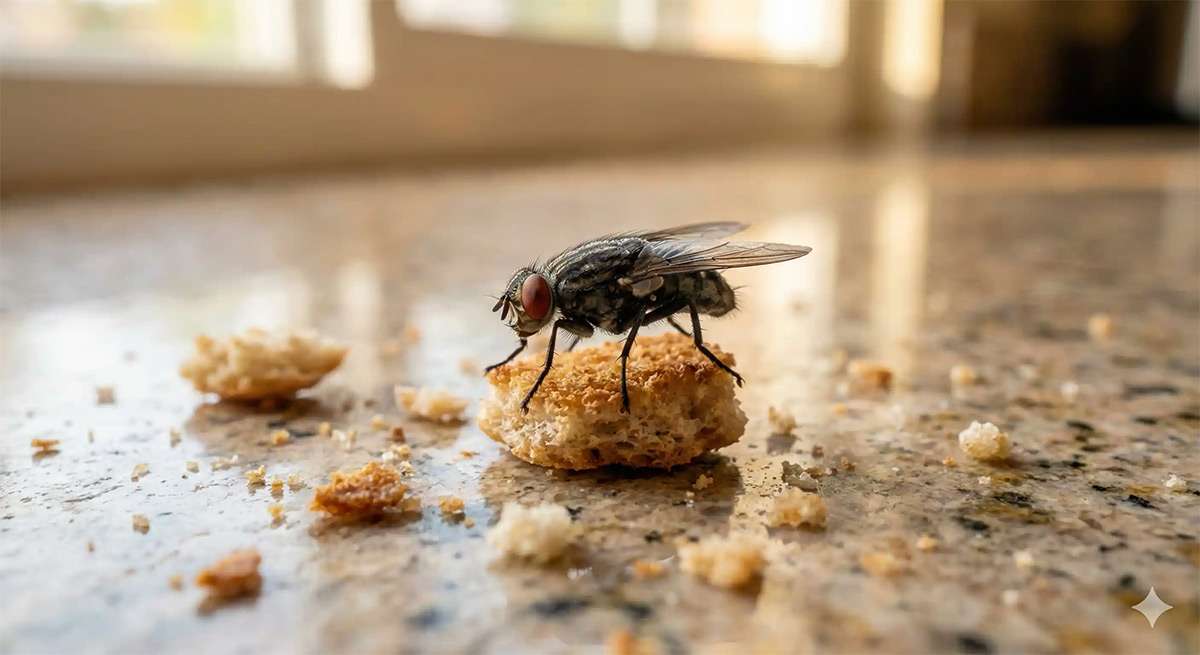
House flies (the typical grey ones) buzz in from garbage, while fruit flies (tiny red-eyed) dart near fruit bowls and glasses of wine. Drain flies resemble tiny, fuzzy moths and inhabit sink or shower drains.
These pests reproduce fast: a single fruit fly lays up to 500 eggs, and adults live about a month. An average house fly only lives 2–4 weeks in summer, but a fruit fly can survive 40–50 days. Drain flies live for about a month, too. Because they breed so quickly, a few flies can multiply into hundreds if unchecked. (featured_creatures)
These flies aren’t just annoying – they’re a health hazard. House flies frequent sewers, dumpsters, and pet droppings, then land on your food and plates. They regurgitate and excrete everywhere they go, mechanically spreading pathogens. House flies are suspected of transmitting at least 65 diseases.
Toronto tenant studies show 73% reported cockroaches and nearly half experienced bed bugs in the last two years.
Nationally, apartment buildings are the #1 location for bed bug infestations (Public Health Agency of Canada).
Flies swarm where the buffet is open. In homes and businesses, they’re attracted to garbage and filth. An uncovered kitchen trash, a forgotten banana, or a pet’s messy corner all scream “free lunch” to flies.
Restaurant dumpsters, grease traps, and even clogged downspouts lure flies. They’re also drawn to carbon dioxide and warmth, which is why a hot kitchen or crowded dining room is inviting.
Even a “sealed” garbage can isn’t foolproof. Flies have keen noses for food odours. If any residue or tiny leak escapes, they’ll find it.
Sanitation Is Key!
The most effective prevention is keeping things unattractive. Cleanliness is your first defence. Make sure trash cans (indoors and out) are emptied frequently, washed out, and kept closed.
Store ripening produce in the fridge or covered. Clean spills on counters and floors right away. Fix leaky pipes and drains so no standing water or slime builds up.
Seal cracks and gaps in doors and windows, and use fine-mesh screens. Fly screens and door sweeps are inexpensive barriers.
Natural Repellents and Smells
Some herbs and scents seem to naturally repel flies. Plant basil, mint, lavender, marigolds or lemongrass around windows or use their essential oils.
Cloves, peppermint, eucalyptus, cinnamon and lemon-lime scents can also deter them. Vinegar or herbal sprays can also mask the smells that attract flies.
Traps: Helpful But Not Enough
Sticky fly traps, ultraviolet zappers, and vinegar traps can catch some adult flies. However, no trap is a complete solution. Traps only catch adults – they don’t eliminate the breeding site.
Electronic zappers can disperse fly fragments into the air and are not ideal near food areas. LED glue-board traps are more hygienic for restaurants and homes.
Indoor Breeding: Fruit and Drain Flies
Yes, some flies can breed inside if conditions permit. Fruit flies love to lay eggs in fermenting fruit or residue in trash cans. Drain flies breed in the slime and gunk inside pipes or floor drains.
Inspect kitchen and bathroom drains and clean them regularly with enzymatic or bleach cleaners. Insecticide sprays won’t penetrate inside a drain, so cleaning is the only cure.
Flies, Food, and Health Safety
Can flies contaminate food? Absolutely. Every time a fly lands on food, it can regurgitate or defecate microscopic germs.
Flies spread bacteria like E. coli and Salmonella from waste to food surfaces, causing foodborne illness. Never leave food uncovered, especially in summer. (environmental-health-protection)
DIY sprays and traps offer temporary fixes. Over-the-counter sprays kill only visible flies and do not eliminate breeding sites.
Insectica Pest Control stands out in Toronto (GTA) for several reasons.
We offer free inspections and free quotes. Our technicians educate clients, provide detailed reports with photos, and use child- and pet-friendly products whenever possible.
We offer 24/7 emergency service, licensed Ministry-approved technicians, customized plans, competitive pricing, and specialized residential and commercial teams.
We proudly serve the entire Greater Toronto Area. No matter where you are, our technicians are nearby and ready to help.
Insectica is here 24/7, always ready to help Toronto fight back.
Written By
Pest Control Specialist at Insectica Toronto
Get a $0 Inspection & Quote today!

It’s 2 AM in Toronto. You’re lying in bed when you hear it. Heavy footsteps above the ceiling. Then scratching. A loud thump. And suddenly

A steady stream of wasps is flying beneath your deck. Or perhaps there’s a large grey nest hanging under the roof soffit. Maybe you accidentally

A mouse suddenly races across the kitchen floor at midnight. A wasp nest seems to triple in size over a weekend. Bed bugs appear after